
Polycystic Ovary Syndrome (PCOS) affects an estimated 1 in 5 Indian women of reproductive age — and the numbers are rising in Bengaluru. If you have been told to “just lose weight” or handed birth-control pills as a one-size-fits-all solution, this guide is for you. It explains how Ayurveda views PCOS, why the root-cause approach works, and what a real treatment plan looks like at Jantikar Ayurveda.
What is PCOS, really?
PCOS is a hormonal-metabolic condition characterised by:
- Irregular or absent periods (oligomenorrhea or amenorrhea)
- Polycystic-appearing ovaries on ultrasound
- Elevated androgens — leading to acne, facial hair, hair fall
- Insulin resistance and weight gain
- Difficulty conceiving
Modern medicine often treats symptoms in isolation: birth-control pills for periods, metformin for insulin, hair removal for hirsutism. Ayurveda asks a different question — what is causing the imbalance in the first place?
The Ayurvedic view of PCOS
In classical Ayurveda, PCOS is understood as an Artava Dushti (disorder of the female reproductive channel), driven primarily by aggravated Kapha and Vata, with medas (fat tissue) and ama (toxic load) blocking the natural flow in the Artavavaha Srotas (reproductive channel).
In simple language:
- Kapha aggravation → weight gain, cyst formation, insulin resistance
- Vata aggravation → irregular ovulation, irregular cycles
- Pitta aggravation → acne, mood swings, irritability
- Ama → metabolic toxins blocking hormonal communication
Why the root-cause approach works
When you only treat symptoms, the underlying imbalance keeps generating new symptoms. Stop the pill and periods stop again. Stop metformin and insulin spikes return. Ayurveda instead focuses on:
- Removing ama (toxins) through detox
- Balancing the doshas, especially Kapha and Vata
- Rekindling Agni (digestive and metabolic fire)
- Nourishing Artava Dhatu (reproductive tissue)
- Modifying diet and lifestyle to prevent relapse
This usually takes 3–6 months of structured treatment — but the results are durable, not transient.
The Jantikar Ayurveda PCOS protocol
Our 45-day Women’s Hormonal Wellness Program is built around four pillars:
Pillar 1: Diagnosis (Week 1)
Detailed consultation with Dr. Deepti including Nadi Pariksha (pulse diagnosis), assessment of Prakriti, current Vikriti, menstrual history, weight pattern, sleep, stress, digestion and emotional state. Existing reports (USG, hormonal panel, fasting insulin, HbA1c, vitamin D) are reviewed.
Pillar 2: Detoxification (Weeks 2–3)
Targeted Panchakarma based on your dominant dosha:
- Virechana — the gold standard for Pitta + Kapha PCOS
- Uttara Basti — medicated enema directly into the uterus for severe cases
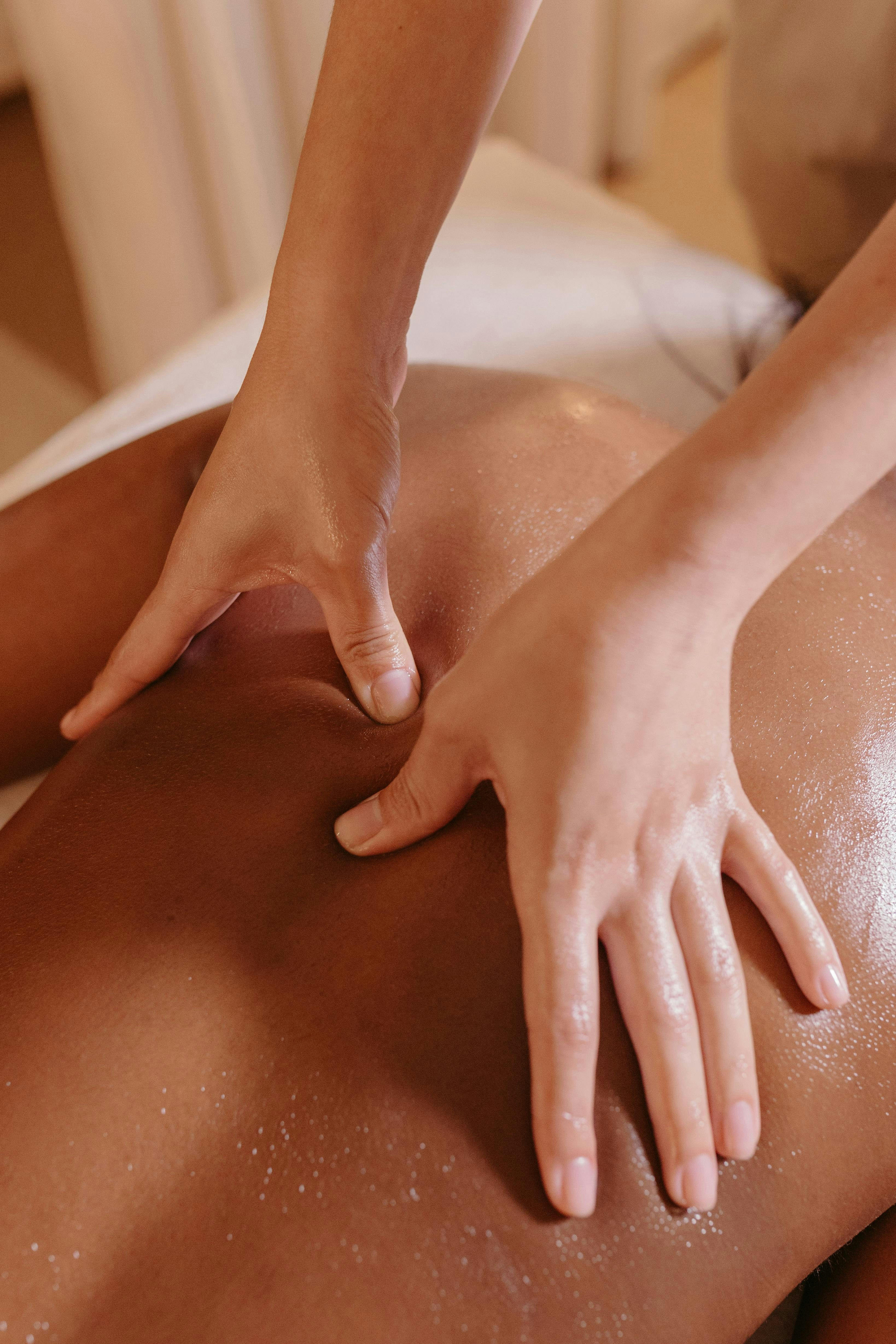
- Udvartana — herbal powder massage that breaks down stubborn Kapha & medas
Read more about these in our Panchakarma guide.
Pillar 3: Herbal medicines (ongoing)
Personalised combinations from a classical repertoire:
- Shatavari — the queen of female herbs, hormonal balance
- Ashoka — uterine tonic, regulates cycles
- Lodhra — cleanses Artavavaha Srotas
- Guduchi — immunomodulator, insulin sensitiser
- Triphala — mild detoxifier
- Kanchanara Guggulu — specific for cysts and fibroids
Never self-medicate. Doses and combinations must be customised to your case.
Pillar 4: Diet & lifestyle (forever)
This is where most PCOS plans fail — they ask too much, too fast. We give you a sustainable plan:
- Two main meals (avoid frequent snacking — it worsens insulin resistance)
- Warm, cooked food; reduce raw salads and cold smoothies
- Limit dairy (especially curd at night), wheat, refined sugar and refined oils
- Include: jowar, ragi, moong dal, methi, bitter gourd, ash gourd, amla
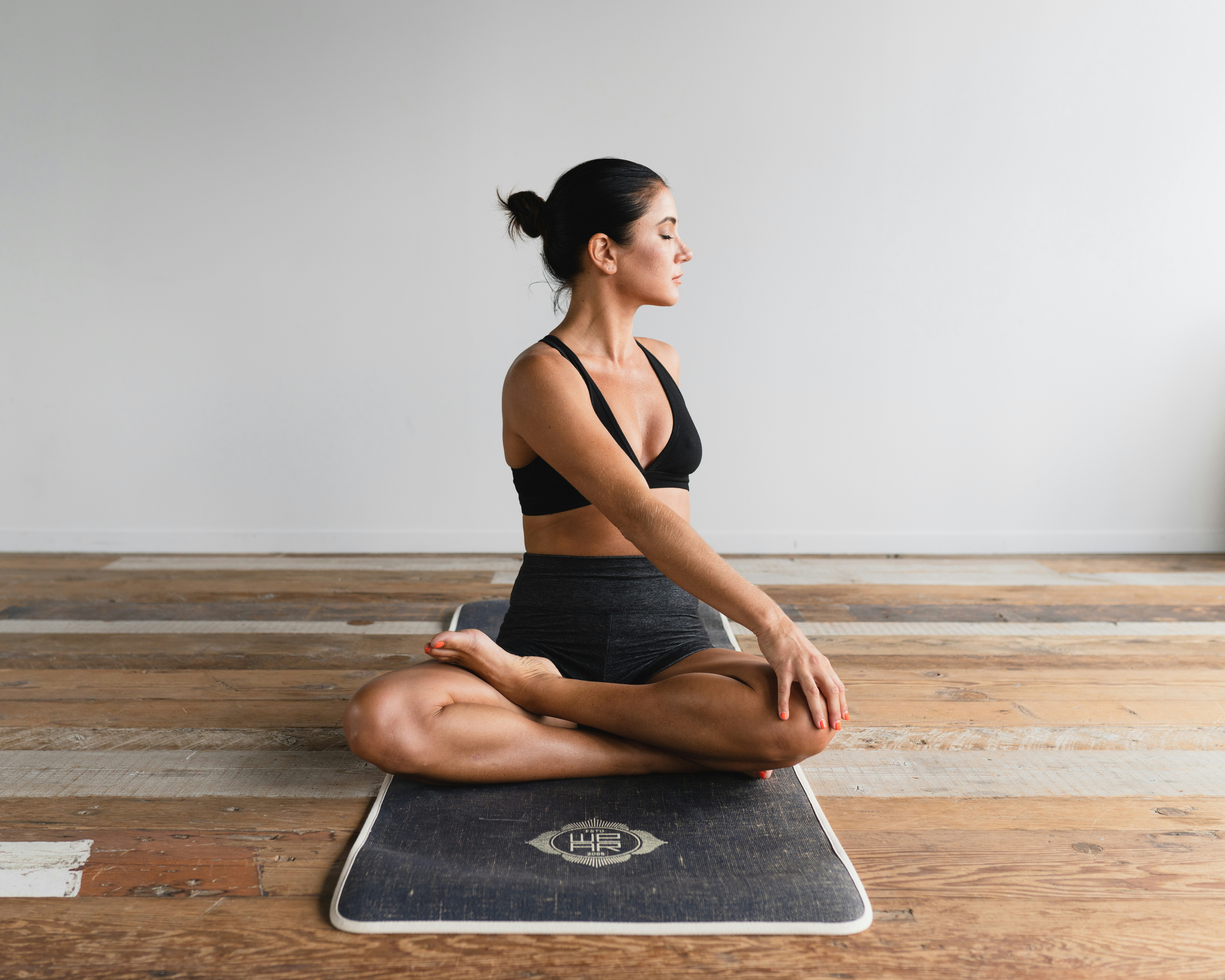
- 30–45 minutes of structured movement daily — a mix of walking, strength training and yoga
- Sleep by 10:30 PM (critical for insulin and cortisol)
Yoga for PCOS
Most effective asanas:
- Surya Namaskar (12 rounds)
- Baddha Konasana (Butterfly)
- Setu Bandhasana (Bridge)
- Bhujangasana (Cobra)
- Pranayama: Kapalabhati + Bhramari for 10 minutes
What about pregnancy planning?
Many PCOS patients come to us specifically because they’re trying to conceive. With a proper 4–6 month Ayurvedic protocol, ovulation usually restores naturally. We then offer Garbha Sanskar guidance and pre-conception care that includes both partners.
Expected results & timeline
- Week 4: Cycle regularises in 40–60% of patients
- Week 8–12: Visible reduction in acne, weight & insulin resistance markers
- Month 4–6: USG follow-up usually shows reduced cyst burden
- Month 6–12: Sustainable long-term improvement
Real patient stories
One of our patients, a 28-year-old IT professional from Nagarabhavi, came in with 6-month amenorrhea, 14 kg weight gain and severe acne. After a 45-day program + 4 months of follow-up, her cycle restored, she lost 9 kg and her fasting insulin dropped from 28 to 9. These outcomes are common when you commit to the process.
Frequently Asked Questions
Can I continue my current medication while on Ayurvedic treatment?
Yes. We do not ask you to stop allopathic medicines abruptly. Over time, as your body heals, your endocrinologist may gradually taper them.
Do you really get rid of cysts?
In most cases, cyst size and number reduce significantly. Complete disappearance depends on duration, severity and patient compliance.
Is this treatment safe long-term?
Yes — herbal medicines used in PCOS protocols have been used safely for centuries when prescribed by qualified Ayurvedic doctors.
Can I do this remotely?
The diagnosis phase requires in-person consultation. Post that, follow-ups can be done via WhatsApp/video for patients outside Bengaluru.
Take the first step today
PCOS is not a life sentence. With the right approach, your body can return to balance. Book a consultation with Dr. Deepti and let us design a personalised hormonal wellness plan for you.
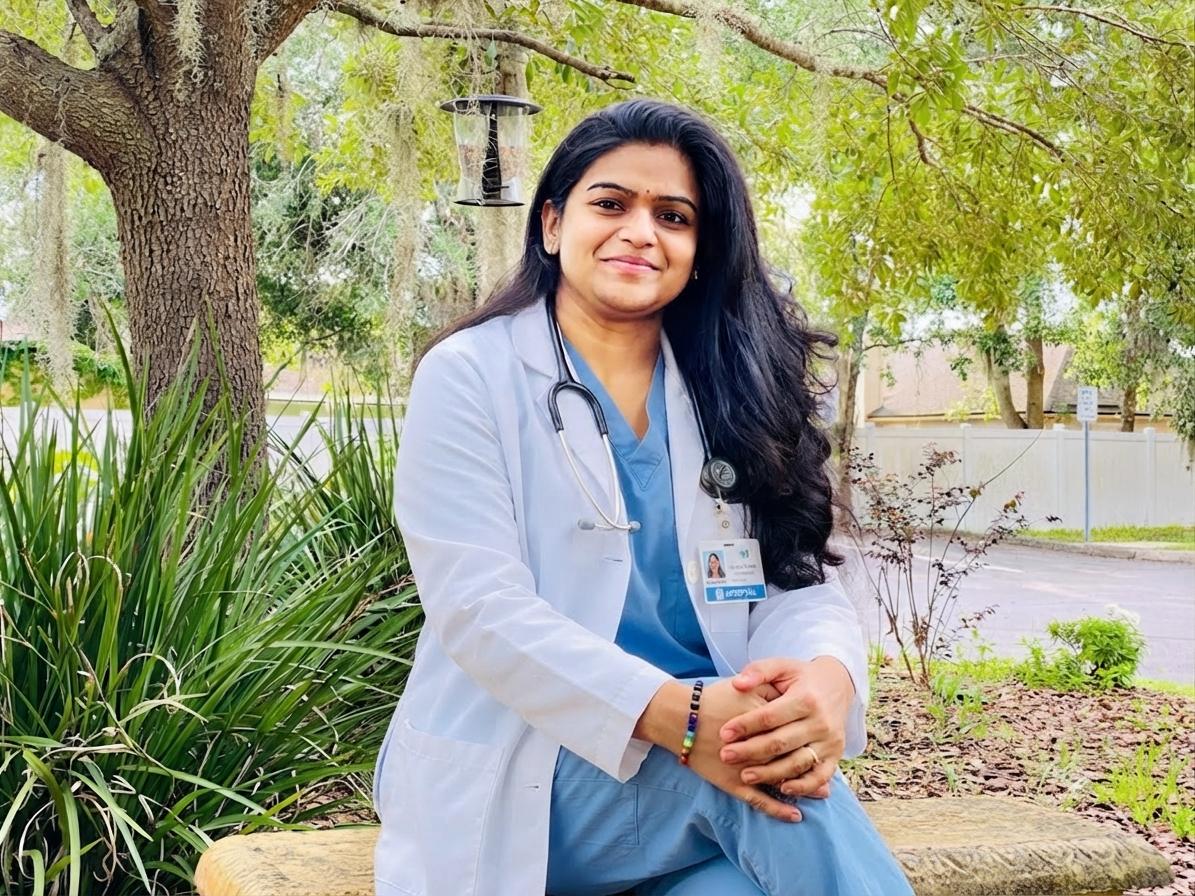
Written & reviewed by
Dr. Deepti Jantikar, BAMS
Founder & Chief Ayurvedic Physician at Jantikar Ayurveda Clinic & Pharmacy, Bengaluru. 5.0★ rated by patients.