If you have ever read about Ayurveda, you have probably come across the word Panchakarma. It is the most powerful, time-tested therapeutic system in classical Ayurveda — yet it is also one of the most misunderstood. This guide, written by the doctors at Jantikar Ayurveda Clinic in Bengaluru, will demystify Panchakarma for you in plain English.
By the end, you will know exactly what Panchakarma is, how it works, the five procedures it includes, who should (and should not) undergo it, what to expect during treatment, and how much it costs in Bengaluru.
What is Panchakarma?
The word Panchakarma literally means “five actions” in Sanskrit (pancha = five, karma = action). It is a structured detoxification and rejuvenation protocol described in classical Ayurvedic texts such as Charaka Samhita and Sushruta Samhita, dating back over 3,000 years.
Unlike spa massages or fad detoxes, Panchakarma is a medical procedure performed under the supervision of a qualified Ayurvedic doctor (BAMS). Its goal is to remove ama (accumulated metabolic toxins) from the body, restore balance to the three doshas (Vata, Pitta, Kapha), and reset the body’s natural healing intelligence.
How does Panchakarma actually work?
Every Panchakarma program follows three structured phases:
- Purvakarma (Preparation) – the body is prepared through Snehana (internal & external oleation with medicated ghee/oil) and Swedana (medicated steam). This loosens deep-seated toxins and moves them from the tissues to the digestive tract.
- Pradhanakarma (Main detox) – one or more of the five elimination procedures is performed. This is where the actual cleansing happens.
- Paschatkarma (Post-care) – a graduated diet (Samsarjana Krama), lifestyle protocols and Rasayana (rejuvenatives) restore digestive fire and rebuild tissue health.
Skipping any of these phases is the single biggest reason people see poor results elsewhere. At Jantikar Ayurveda we never compromise on Purvakarma or Paschatkarma — they are as important as the main therapy.
The 5 procedures of Panchakarma
1. Vamana (Therapeutic emesis)
Carefully induced, doctor-guided vomiting that removes excess Kapha and ama from the upper gastrointestinal tract. Indicated for chronic asthma, allergic rhinitis, sinusitis, certain skin disorders, obesity and hypothyroidism. Performed under medical supervision — nothing like food poisoning vomiting.
2. Virechana (Therapeutic purgation)
Controlled, herb-induced purgation that cleanses the small intestine and the liver — the seat of Pitta. Excellent for chronic acidity, IBS, jaundice, skin disorders like psoriasis and eczema, migraine, and metabolic disorders.
3. Basti (Medicated enema)
Often called the “mother of all therapies”, Basti is the most powerful treatment for Vata disorders. Two main types:
- Anuvasana Basti – oil-based, nourishes the colon and joints
- Niruha Basti – decoction-based, deep detox
Indicated for arthritis, sciatica, paralysis, constipation, infertility, and most neurological & musculoskeletal conditions.
4. Nasya (Nasal medication)
Medicated oils or powders administered through the nostrils. The nose is the gateway to the head and neck — making Nasya the treatment of choice for sinusitis, migraine, cervical spondylosis, hair fall, premature greying and chronic ENT issues.
5. Raktamokshana (Blood purification)
Therapeutic bloodletting, typically using sterilised medicinal leeches (Jalaukavacharana). One of the most underrated yet remarkable therapies, especially for stubborn skin disorders, varicose veins, non-healing wounds, gout and certain types of pigmentation.
Who should undergo Panchakarma?
Panchakarma is recommended for:
- Anyone with chronic lifestyle disorders that haven’t responded to symptom-based treatment
- Patients with arthritis, sciatica, back pain, frozen shoulder, cervical pain
- Women with PCOS, hormonal imbalance, infertility, post-natal recovery
- People struggling with chronic stress, insomnia, anxiety and burnout
- Patients with chronic skin disorders — psoriasis, eczema, urticaria
- Those with digestive disorders — IBS, chronic constipation, acidity, fatty liver
- Healthy individuals seeking Rasayana (rejuvenation) at the change of every season
Who should NOT undergo Panchakarma?
Panchakarma is contraindicated in:
- Pregnant women (some external therapies are still safe)
- Very young children below 7 years (gentler therapies exist for them)
- Patients with very advanced/uncontrolled diabetes, heart failure or active malignancy
- People in extreme weakness or right after major surgery
This is exactly why proper doctor assessment is essential before any Panchakarma program. We screen every patient for fitness before recommending a protocol.
What does a typical day of Panchakarma look like?
A typical outpatient Panchakarma day at Jantikar Ayurveda:
- Morning consultation with Dr. Deepti — pulse diagnosis, progress review
- Internal medicine — herbal ghee/oil/decoction as prescribed
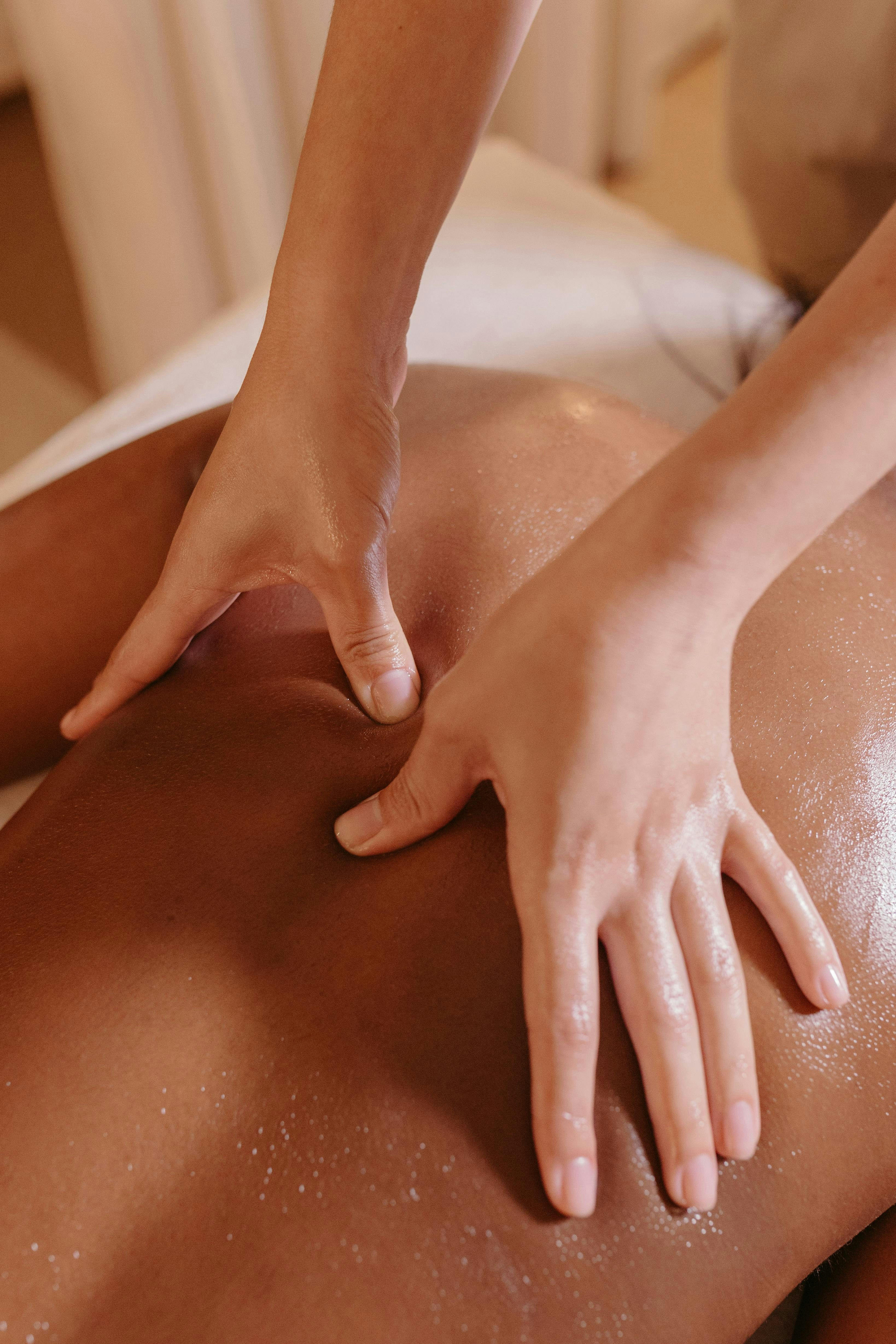
- External therapy — Abhyanga (oil massage), Swedana (steam), and the specific Panchakarma procedure
- Rest period with prescribed warm food
- Evening review — medication, hydration and rest protocol
How long does Panchakarma take?
Most programs run between 7 and 21 days. Mild outpatient therapies (Abhyanga, Shirodhara, Kati Basti, Janu Basti) can be done in 7–10 days while continuing your work. Intensive programs like Vamana, Virechana or full Basti karma typically need 14–21 days of dedicated time.
Panchakarma cost in Bengaluru
At Jantikar Ayurveda, Panchakarma is priced transparently and is among the most reasonable in West Bengaluru. Pricing depends on the procedure, duration and medicines used. Outpatient therapies like Abhyanga + Shirodhara start from ₹800/session. Full doctor-supervised Panchakarma programs typically range from ₹22,000–₹70,000 depending on complexity. Book a free assessment to get a personalised quote.
Benefits of Panchakarma
- Deep removal of accumulated toxins from cells and channels
- Long-lasting relief from chronic pain and inflammation
- Improved sleep, calm mind and reduced stress
- Better digestion, weight management and metabolism
- Stronger immunity and slower biological aging (Rasayana effect)
- Hormonal balance for women
- Enhanced energy, libido and mental clarity
Common myths about Panchakarma
Myth 1: It’s just oil massages. No. Massage (Abhyanga) is only one preparation step. Real Panchakarma involves systemic elimination.
Myth 2: It’s only for sick people. Wrong. Classical Ayurveda recommends Panchakarma seasonally for healthy individuals as preventive medicine.
Myth 3: I can do it at any spa. Panchakarma is a medical procedure. It must be done at a clinic, under a qualified Ayurvedic doctor, with classically prepared medicines.
Frequently Asked Questions
Is Panchakarma safe?
Yes — extremely safe when performed under a qualified BAMS doctor with proper screening, classical medicines and a clean clinical setting.
Can I do Panchakarma while working?
Outpatient Panchakarma (Abhyanga, Shirodhara, Kati Basti, Janu Basti) can absolutely be done while working. Intensive programs need 5–7 days of rest.
Will I lose weight after Panchakarma?
Most patients lose 2–6 kg of toxic weight (water + ama + fat) in a typical 14-day program. More importantly, you reset your metabolism for sustainable weight management.
How often should I do Panchakarma?
For healthy individuals, once a year is ideal (preferably between two seasons). For patients with chronic conditions, twice a year may be advised initially.
Ready to experience real Panchakarma?
If you have been struggling with chronic disorders, stuck weight, persistent stress or simply want to give your body the deep reset it deserves, Panchakarma at Jantikar Ayurveda is for you. We offer authentic, classical, doctor-supervised programs in Mariyappanapalya, Bengaluru.
Book your free Panchakarma assessment today or read about our complete therapy menu.
Written & reviewed by
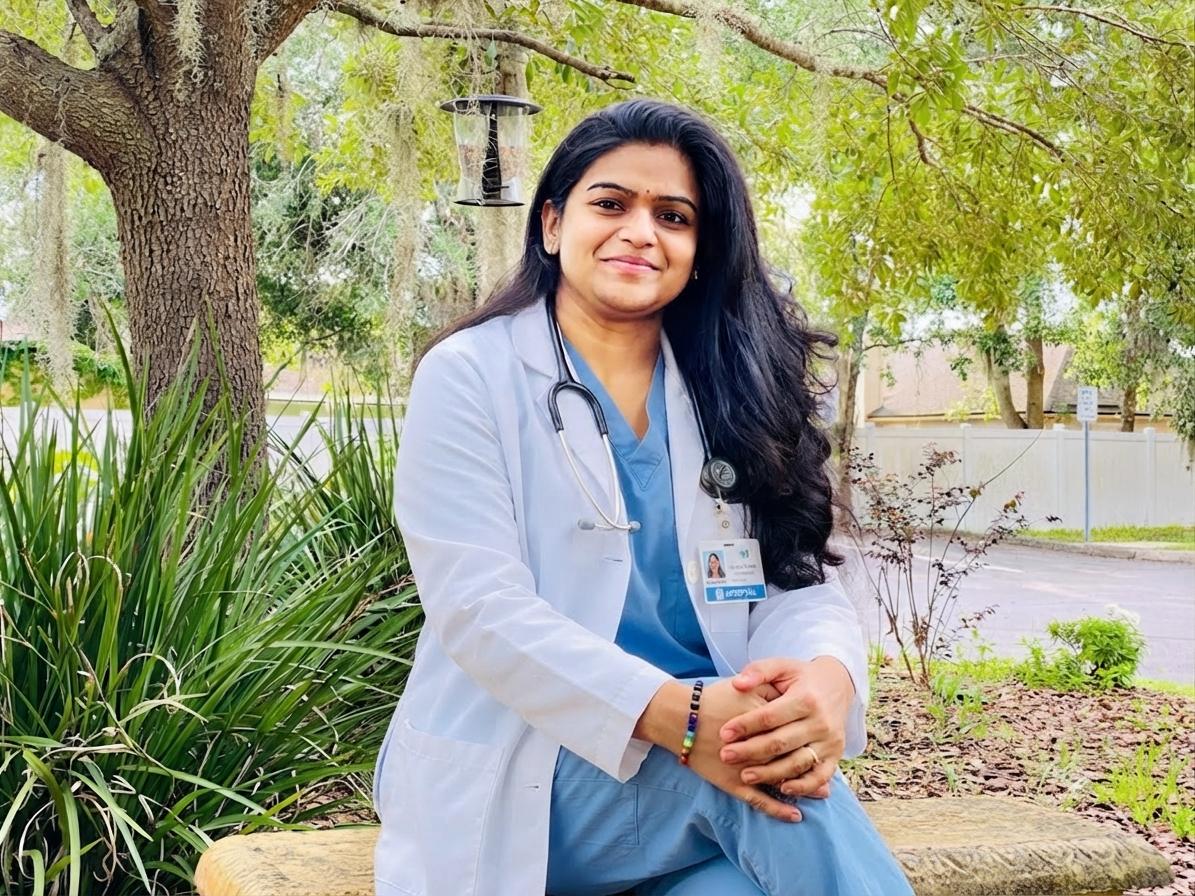
Dr. Deepti Jantikar, BAMS
Founder & Chief Ayurvedic Physician at Jantikar Ayurveda Clinic & Pharmacy, Bengaluru. 5.0★ rated by patients.